
Medical Robotic Arm Migration Accelerator
Why Medical Robotics Manufacturers Are Reassessing Industrial Robotic Arms
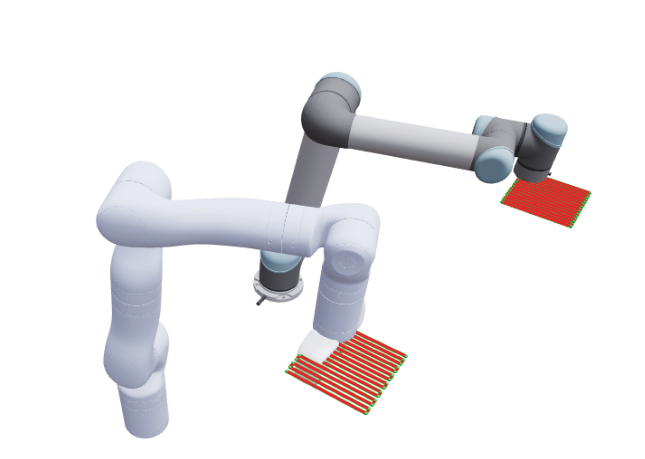
Many medical robotics manufacturers originally built their systems around industrial robotic arms such as Universal Robots’ UR5 and related platforms. However, as regulatory expectations continue to evolve, OEMs are increasingly facing pressure to transition away from industrial robotic components that were not designed, certified, or documented as medical devices.
The usage of industrial grade hardware such as Universal Robot’s UR5 grew scrutiny around component-level risk and liability, and the need for stronger alignment with FDA, MDR, and ISO 13485 expectations are causing many organizations to reevaluate their robotic-arm strategy. For companies pursuing commercialization, international expansion, design updates, or future regulatory submissions, migration to a medical-device-certified robotic platform may become a business necessity rather than a technical preference.
The Hidden Impact of a Robotic Arm Migration
Migrating to a new robotic arm is only the visible part of the change. The real impact appears downstream with impact to your:
- Software Architecture & Requirements Definition
- Controls Software
- System Integration
- Risk Management
- Cybersecurity
- Traceability
- Verification and Validation
- Regulatory Documentation
FDA expectations now place clear emphasis on software validation, cybersecurity documentation, threat modeling, risk assessment, and SBOM-related evidence, while QMSR is now in effect and aligned to ISO 13485. For lean OEM teams already focused on commercialization, next-generation development, and submissions, a migration can become a major resource and schedule burden.
A Joint Solution from Kinova and MedAcuity
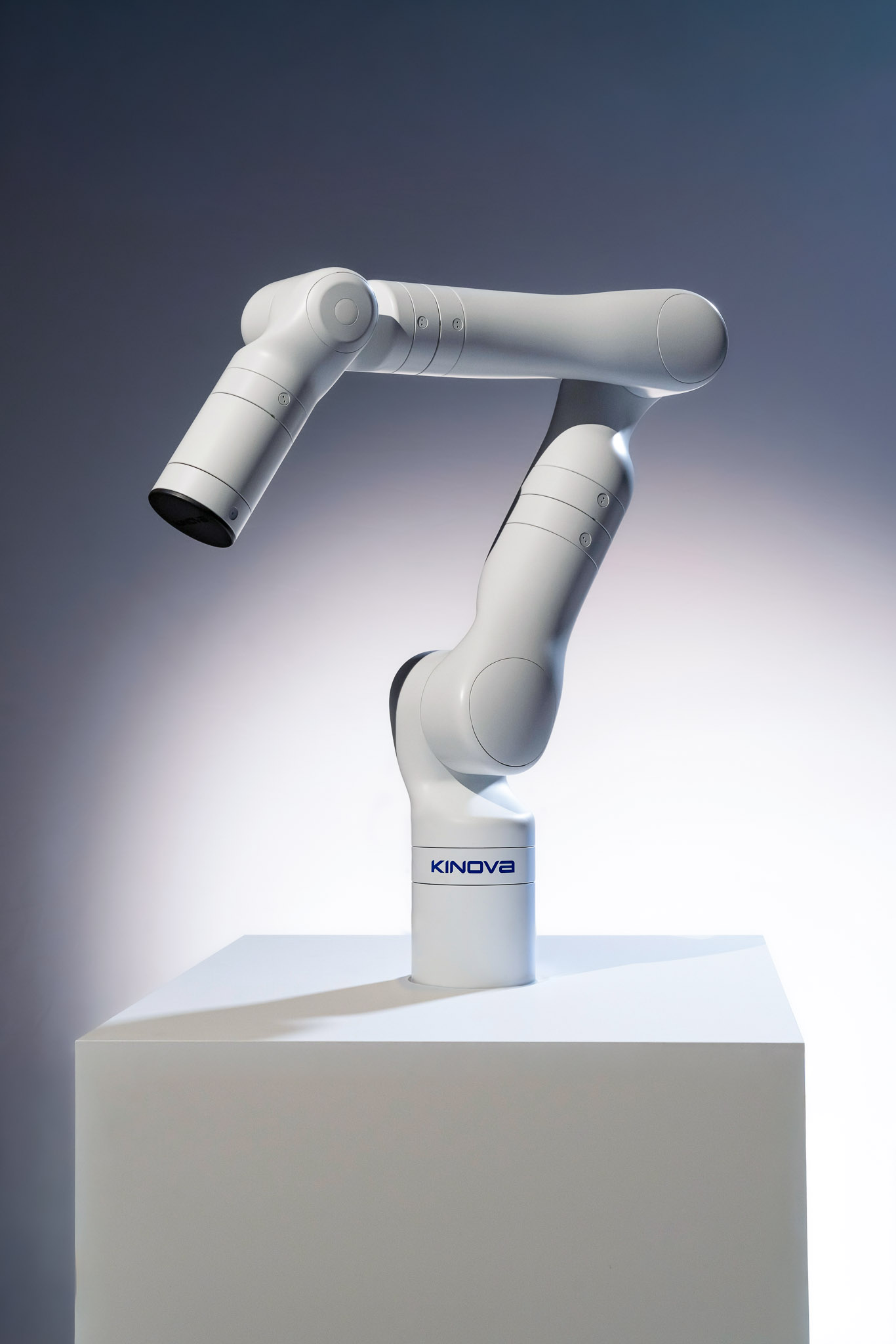
Kinova and MedAcuity take pride in serving the mutual customer base through a hand-in-hand partnership that helps medical robotics manufacturers move from existing industrial-arm architectures to a purpose-built medical robotic platform with less disruption to product schedules, engineering bandwidth, and regulatory progress. Kinova’s KIMA platform is designed specifically for healthcare and operating-room environments, while MedAcuity brings the software, systems, quality, cybersecurity, and verification expertise needed to execute the transition efficiently and responsibly.
Why Choose Kinova’s KIMA Medical Robotics Platform
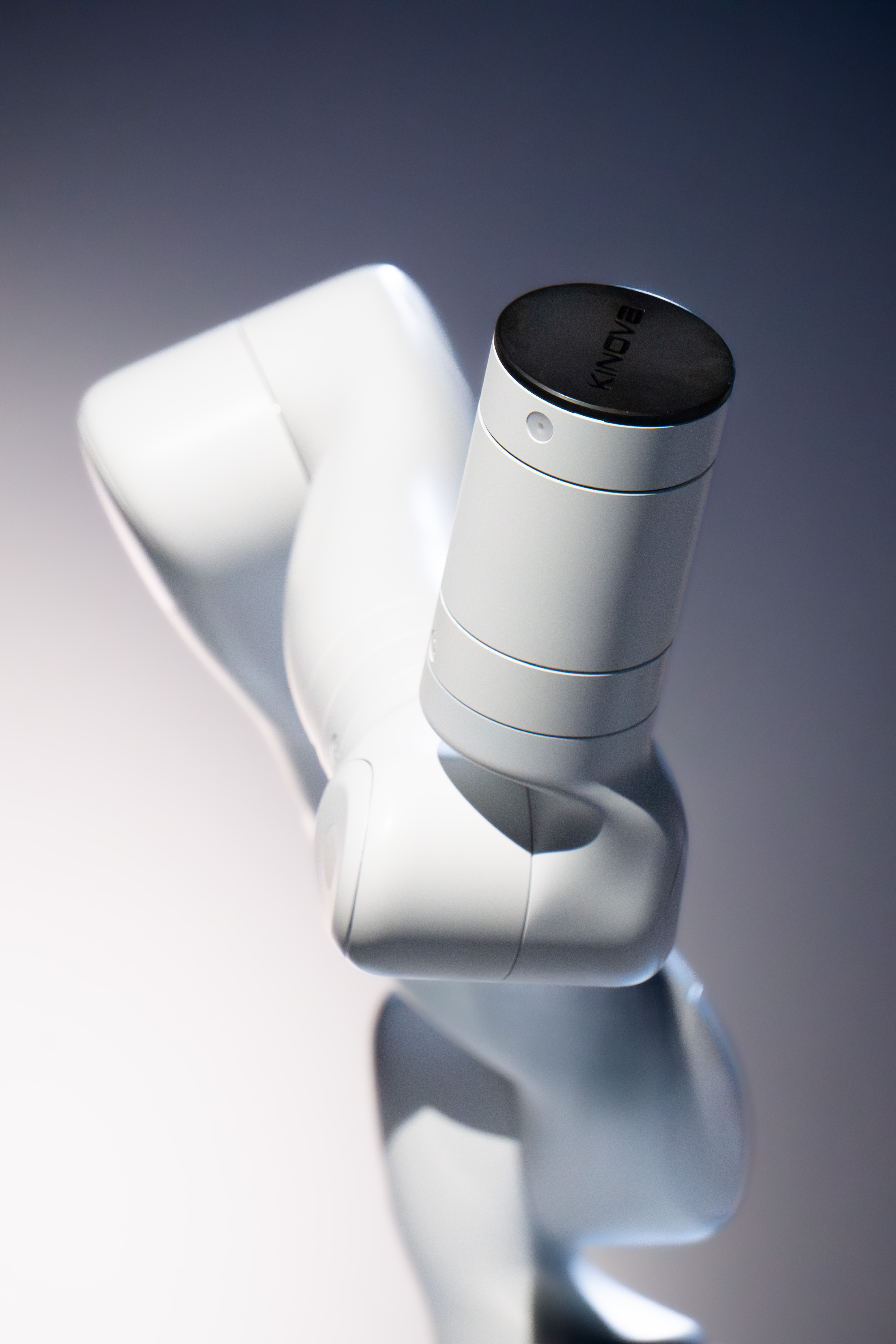
KIMA is not an industrial platform repurposed for healthcare. It is a medical-grade robotic arm built for clinical environments, with an ultra-compact footprint, flexible OEM integration architecture, and features designed to support certification. Kinova also offers supporting components and software, including a robotic control library aligned to IEC 62304 Class C requirements, giving OEMs a stronger starting point for medical-system development.
Why Choose MedAcuity for Robotic Arm Migration
MedAcuity gives OEMs a dedicated execution team so internal engineering leaders can stay focused on strategic priorities. Its capabilities align directly with migration needs: architecture and design assessment, end of life (EOL) technology migration, software and system verification, risk analysis and management, QMS gap remediation, medical device cybersecurity, software tool validation, and quality engineering with traceability and V&V support. MedAcuity also supports secure development practices, threat modeling, secure architecture, and SBOM creation for FDA-ready submissions.
The Hardware Migration Accelerator Framework
The Hardware Migration Accelerator is a proven migration framework built from MedAcuity’s experience supporting hundreds of regulated medical-device and robotics programs. Rather than starting from a blank sheet of paper, OEMs gain access to a repeatable playbook, proven processes, templates, checklists, and best practices specifically designed to accelerate robotic-arm migrations while reducing technical, regulatory, and schedule risk.
The accelerator combines robotic-arm migration planning, hardware and software integration, software architecture adaptation, controls updates, interface remediation, cybersecurity, risk management, traceability, verification and validation, and regulatory-documentation support into a structured execution model. Drawing from years of experience navigating FDA, IEC 62304, ISO 14971, ISO 13485, cybersecurity, and design-control requirements, MedAcuity helps customers avoid common pitfalls, eliminate unnecessary rework, and move through the migration process more efficiently than a first-time effort.
The result is a faster, lower-risk transition to a medical-grade robotic platform, allowing internal engineering teams to remain focused on commercialization, product innovation, and next-generation development while leveraging a migration methodology that has already been refined across numerous successful medical-device and robotics programs.
Reduce Risk, Preserve Resources, and Maintain Your Product Roadmap
MedAcuity has options for a turnkey solution or an a la carte engagement to fit the customer’s reality: an advisory assessment to define scope and impact; a tactical cybersecurity engagement, software engineering team to augment internal staff; or a managed workstream in which MedAcuity owns the migration effort while Kinova supports the hardware platform and integration path. The goal is simple: reduce burden, preserve momentum, and help mutual customers adopt a better-fit medical robotics platform with greater confidence.
Flexible Engagement Models for Medical Robotics OEMs
Don’t learn the migration process by doing it once. Leverage a proven methodology refined across hundreds of medical-device and robotics programs. If your team is evaluating or required to transition from an existing industrial robotic-arm architecture to a medical-grade solution, Kinova and MedAcuity can help you plan the change, execute the migration, and maintain focus on your product roadmap. Let’s define the most practical path forward for your program.
What Collaboration Makes Possible
When these partners align, innovation accelerates:
- Kinova Hardware Migration Accelerator delivered with a proven playbook
- Rapid migration from Industrial arms to medical-grade robotic platforms
- Minimized disruption with reusable architecture, interfaces, and safety controls
- End-to-end support for risk management, verification, and regulatory documentation
A faster, smarter path to compliance – so your team can focus on what’s next.
Talk with a Medical Robotics Migration Expert
Shawn Vanseth
VP of Sales and Marketing, Robotics
MedAcuity
François Boucher
VP of Business Development
Kinova